Die finanzierten Emissionen, die durch die Kreditvergabe, Investitionen und Underwriting-Aktivitäten eines Finanzinstituts entstehen, übertreffen oft dessen direkten operativen Fußabdruck. Banken, Vermögensverwalter und Versicherer müssen in der Lage sein, diese Treibhausgase genau zu messen und zu verwalten, insbesondere angesichts wachsender Erwartungen an die Klimaberichterstattung. Software für finanzierte Emissionen optimiert diesen Prozess erheblich. Die richtige Plattform gewährleistet zuverlässige, nachvollziehbare und entscheidungsrelevante Berechnungen. Zu den wichtigsten Funktionen gehören die Ausrichtung an PCAF und anderen globalen Rahmenwerken, Portfolio-Engagement-Tools, Rückverfolgbarkeit und fortschrittliche Datensicherheit.
Finanzinstitute stehen zunehmend im Mittelpunkt der globalen Klimadiskussion, und das aus gutem Grund. Die Emissionen, die von den Unternehmen, Projekten und Vermögenswerten, die sie finanzieren, erzeugt werden, machen einen erheblichen (und weitgehend unterberichteten) Anteil der globalen Treibhausgase aus. Diese finanzierten Emissionen können bis zu 700-mal mehr als die Emissionen, die ein Institut direkt verursacht.
Finanzierte Emissionen stellen auch ein Risiko dar. Trotz jüngster politischer Veränderungen haben die globalen Erwartungen an die Klimaberichterstattung Bestand. Ohne ein fundiertes Verständnis ihrer finanzierten Emissionen können sich Institutionen rechtlichen und reputativen Schäden aussetzen. Auch die Kredit- und Marktrisiken durch den Klimawandel nehmen zu. Institutionen müssen nun berücksichtigen, wie Klimafaktoren zu gestrandeten Vermögenswerten, Entwertung, Kreditausfällen von Kreditnehmern und anderen Szenarien führen könnten. Die potenziellen Kosten dieser klimabedingten Risiken sind nicht gering – sie könnten sich auf über 1 Billion USD belaufen, laut einer Studie des CDP.
Um diese Risiken zu managen, benötigen Institutionen zunächst ein klares Bild ihrer finanzierten Emissionen. Ein wachsender Markt spezialisierter Software ist entstanden, um Banken, Vermögensverwaltern, Versicherungsgesellschaften und Private-Equity-Firmen dabei zu helfen, Emissionen zu quantifizieren, neue Vorschriften einzuhalten und effizient zu dekarbonisieren.
Dieser Leitfaden bietet einen Überblick darüber, was Software für finanzierte Emissionen ist, welche Funktionen am wichtigsten sind und welche Plattformen den Markt im Jahr 2026 anführen.
Was ist Software für finanzierte Emissionen?
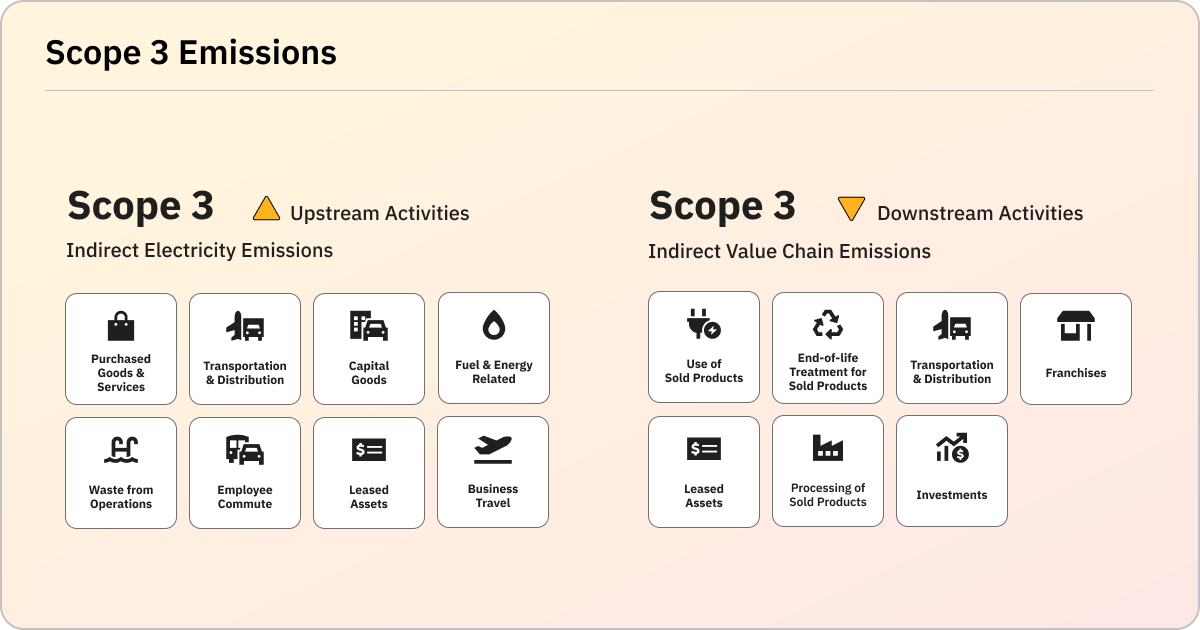
Spezialisierte CO2-Bilanzierungssoftware misst die indirekten Scope-3-Emissionen eines Finanzinstituts.
Software für finanzierte Emissionen ermöglicht es Institutionen, die Treibhausgase, die mit ihren Kredit-, Investitions- und Underwriting-Aktivitäten verbunden sind, zu messen, zu verwalten und offenzulegen.
Diese indirekten Emissionen fallen unter Scope 3, Kategorie 15 des Greenhouse Gas Protocols, und sie erfordern eine grundlegend andere Bilanzierungsmethode als direkte Scope-1- und Scope-2-Emissionen. Anstatt lediglich Emissionen aus Stromverbrauch oder Kraftstoffnutzung zu verfolgen, müssen Organisationen einen proportionalen Anteil der Emissionen eines Vertragspartners ihrer eigenen Bilanz zurechnen, gewichtet nach der Höhe ihres finanziellen Engagements.
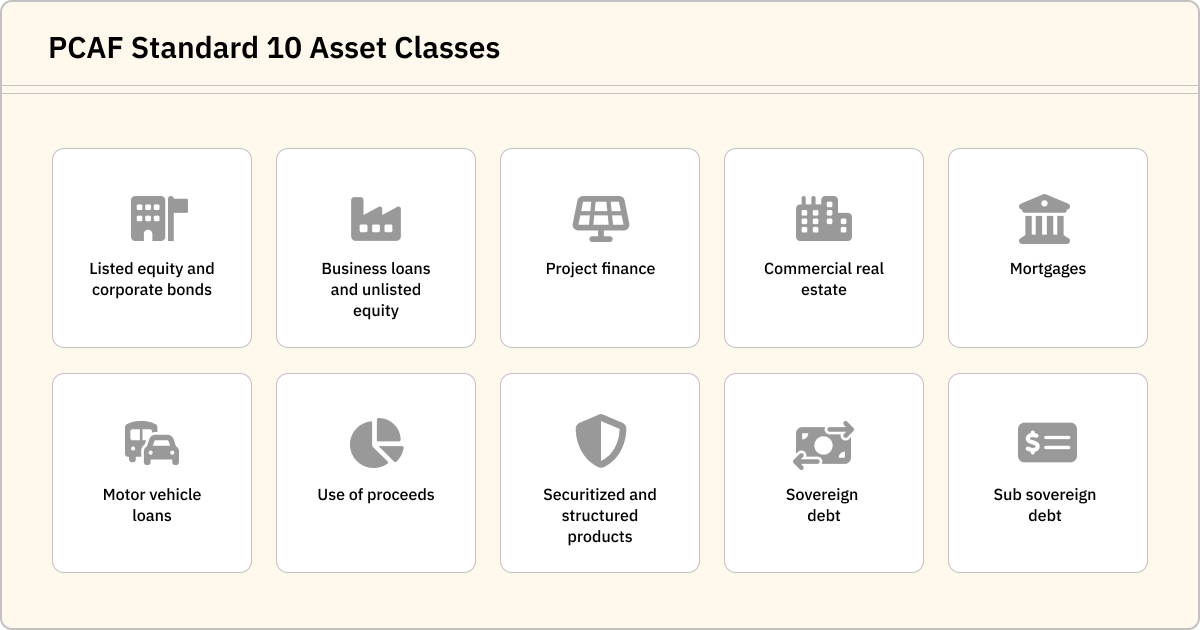
Der führende Rahmen für die Berechnung finanzierter Emissionen stammt von der Partnership for Carbon Accounting Financials (PCAF) Global GHG Accounting and Reporting Standard, Part A („PCAF-Standard“). Zweckmäßige Software für finanzierte Emissionen wird auf der PCAF-Methodik aufbauen und deren gesamte Palette von Anlageklassen abdecken, einschließlich börsennotierter Aktien und Anleihen, Geschäftskredite, Hypotheken, Kraftfahrzeugkredite, Gewerbeimmobilien, Projektfinanzierungen, Staatsanleihen, subnationale Schulden, UoP-Strukturen, Verbriefungen und strukturierte Produkte.
Warum benötigen Finanzinstitute spezielle Software für die CO2-Bilanzierung?
Die Berechnung finanzierter Emissionen ist komplex.
Die Messung finanzierter Emissionen kann ressourcenintensiv und komplex sein. Sie erfordert von Institutionen, disaggregierte Daten von Portfoliounternehmen zu sammeln, die korrekte Methodik über alle Anlageklassen hinweg anzuwenden und sich an die entsprechenden (und aktuellen) Vorschriften und Rahmenwerke anzupassen.
Herausforderungen bei der Berechnung finanzierter Emissionen
Datenkomplexität und -verfügbarkeit. Um finanzierte Emissionen zu berechnen, müssen Portfoliodaten (z. B. Beteiligungsquoten oder ausstehende Salden) mit Emissionsdaten (Scope 1, 2 und manchmal 3) für jedes Beteiligungsunternehmen kombiniert werden. Diese Daten können schwierig zu erfassen sein—sie stammen oft aus unterschiedlichen Quellen, einschließlich Finanzsystemen, Drittanbietern von Daten und Unternehmensveröffentlichungen, mit stark variierenden Qualitäts- und Vollständigkeitsgraden.
Unterschiede zwischen den Anlageklassen. PCAF definiert für jede Anlageklasse eigene Methoden, und eine große Institution kann Dutzende von Anlagetypen in Tausenden von Unternehmen halten. Die konsistente Anwendung der korrekten Methodik in großem Maßstab ist eine erhebliche technische Herausforderung.
Regulatorische Anpassung. Trotz jüngster Rücknahmen entwickeln sich die Vorschriften zur Klimaberichterstattung weltweit weiter. Dazu gehören die Corporate Sustainability Reporting Directive (CSRD) Europas, Kaliforniens SB 253 und ISSB-konforme Richtlinien in Dutzenden weiterer Gerichtsbarkeiten. Institutionen ohne eine glaubwürdige Methodik und prüfbare Daten setzen sich regulatorischen (und Reputations-)Risiken aus.
Wichtige Funktionen von Software für finanzierte Emissionen
Plattformen sollten einige wesentliche Funktionen bieten.
Verschiedene Tools zur Emissionsbilanzierung eignen sich für unterschiedliche Zwecke. Wenn Sie eine Plattform speziell zur Messung finanzierter Emissionen suchen, gibt es einige wesentliche Funktionen, die Sie beachten sollten. Dazu gehören:
PCAF-konforme Methodik
Die Grundlage jeder glaubwürdigen Plattform für finanzierte Emissionen ist die Einhaltung des PCAF Globaler Standard für die Bilanzierung und Berichterstattung von Treibhausgasen. Wählen Sie eine Plattform, die die anlagenspezifischen Methodiken von PCAF genau und transparent anwendet, mit klarer Dokumentation, wie Zurechnungsfaktoren und Emissionsintensitäten abgeleitet werden.
Portfolio-Einbindung
Das Sammeln von Daten von Portfoliounternehmen ist oft einer der ressourcenintensivsten Schritte im Emissionsbilanzierungsprozess. Suchen Sie nach Software, die die Portfolio-Einbindung unterstützt: Viele Kreditnehmer und Beteiligungsunternehmen benötigen Hilfe bei der Berechnung ihrer Emissionen, bevor sie Daten mit Ihnen teilen können, und Sie möchten sicherstellen, dass diese Daten konsistent und vergleichbar sind.
Erweiterte Analysen
Die Berechnung finanzierter Emissionen ist nur dann wertvoll, wenn sie Ihre Entscheidungsfindung unterstützt. Die besten Plattformen gehen über die reine Messung hinaus und bieten Analysen auf Portfolioebene, die es Ihnen ermöglichen, starke Emittenten zu identifizieren, verschiedene Szenarien zu modellieren und die Emissionsauswirkungen von Investitionsentscheidungen zu quantifizieren.
Nachvollziehbarkeit und Transparenz
Da die Prüfung von Offenlegungen finanzierter Emissionen durch Dritte immer häufiger wird, müssen Sie in der Lage sein, Berechnungen von den Rohdaten bis zu den endgültigen Zahlen, die Sie berichten, vollständig nachzuvollziehen. Suchen Sie nach Software mit der gleichen Genauigkeit wie Finanzbuchhaltungen, bei der jeder Datenpunkt nachvollziehbar und belegbar ist. Sie sollten während des gesamten Prozesses die volle Transparenz und Kontrolle über Ihre Daten behalten, damit Sie die Methodik, die Daten und die Emissionsfaktoren, die zur Ermittlung Ihrer Schätzung verwendet wurden, leicht einsehen können.
Globale Ausrichtung
Klima- und Nachhaltigkeitsvorschriften ändern sich rasant. Plattformen mit speziellen Überwachungs- und Aktualisierungszyklen für Vorschriften führen zu größerer Konsistenz, Vergleichbarkeit und Effizienz. Zusätzlich zu PCAF sollte Ihre Software mit Rahmenwerken wie CDP, ISSB und TCFD übereinstimmen, sowie mit wichtigen Vorschriften wie der europäischen CSRD und Kaliforniens SB 253 und SB 261.
Datensicherheit
Die Daten, die durch eine CO2-Bilanzierungsplattform fließen, sind naturgemäß sensibel. Sie können Portfoliozusammensetzungen, Gegenparteiinformationen, finanzielle Risikopositionen, proprietäre Anlagedetails und mehr umfassen. Der Einsatz von KI führt zu neuen Haftungsrisiken und erhöht den Einsatz zusätzlich. Dies macht die Softwareauswahl zu einer kritischen Sicherheitsentscheidung. Die vertrauenswürdigsten Anbieter können zeigen, wie sie Ihre Informationen schützen. Suchen Sie nach Plattformen mit SOC 2 Type II Zertifizierung – dem Goldstandard für Datensicherheit.

Die beste Software für finanzierte Emissionen 2026
Nachhaltigkeitsvorschriften sind ständig im Wandel. Regulatorische Änderungen, neue Technologien und Marktvolatilität gestalten die Offenlegungspflichten und Erwartungen immer wieder neu. Dabei entwickelt sich auch die Software für die CO2-Bilanzierung weiter. Um Ihnen dabei zu helfen, den Überblick zu behalten, finden Sie hier unsere aktuelle Übersicht der besten Softwarelösungen für finanzierte Emissionen im Jahr 2026 (in keiner bestimmten Reihenfolge):
Pulsora
Pulsora ist eine All-in-One-Plattform für das Nachhaltigkeitsmanagement von Unternehmen, die darauf ausgelegt ist, die Erfassung, Messung, Berichterstattung und Analyse von ESG-Daten zu optimieren. Sie ermöglicht es Teams, Emissionsdaten auf granularer Ebene zu untersuchen, von standortbezogenen Besonderheiten bis hin zu einzelnen Anlagen oder Gebäuden.
Pulsora bietet Flexibilität bei Berechnungsmethoden, Emissionsfaktoren, Intensitätsfaktoren und anderen Schlüsselparametern. Die Software identifiziert automatisch Datenlücken und wendet Schätzverfahren an, um umfassende Berechnungen zu gewährleisten. Sie bietet sofort einsatzbereite Emissionsfaktoren von IEA, UK DEFRA, US EPAund anderen und bietet Kunden zudem die Möglichkeit, Berechnungen mithilfe unternehmensspezifischer Faktoren anzupassen.
Die KI von Pulsora verbindet CO2-Bilanzierung, ESG-Berichterstattung und Datenmanagement über eine einheitliche Wissensschicht, den sogenannten Context Graph, der auf den eigenen Daten und der Berichtshistorie eines Unternehmens trainiert wird und nicht auf generischen Eingaben. KI-Agenten übernehmen spezifische Workflow-Aufgaben, darunter Rechnungs-Scanning, ESG-Daten-Normalisierung, Anomalieerkennung, Lückenschätzung, Vorab-Prüfungen, Modellierung von Dekarbonisierungspfaden und Doppel-Materialitätsanalysen.
Ein Hauptmerkmal der Software ist ihre Unterstützung bei der Gestaltung und Optimierung von Dekarbonisierungspfaden. Pulsora bietet gezielte Maßnahmen zur Emissionsminderung und eine kontinuierliche Überwachung des Fortschritts der Kunden im Hinblick auf wissenschaftlich fundierte Ziele.
Pulsora legt auch Wert auf Audit-Bereitschaft. Die Software integriert die Rückverfolgbarkeit direkt in den Datenerfassungsworkflow, anstatt sie als separaten Schritt zu behandeln. Automatisierte Audit-Trails erfassen Daten-Uploads, und Benutzer behalten die Transparenz über ihre Treibhausgasberechnungen. Konfigurierbare Datenkontrollen gewährleisten die Genauigkeit während des gesamten Datenerfassungs- und Genehmigungsprozesses. Alle Daten sind für interne und externe Prüfer zugänglich, mit vollständiger Herkunft und Audit-Protokollen, die jeder Metrik zugeordnet sind.
Am besten geeignet für: Institutionelle Anleger, die komplexe Portfolios verwalten und prüffähige, PCAF-konforme Daten zu finanzierten Emissionen sowie Unterstützung bei Dekarbonisierungspfaden benötigen.
Persefoni
Persefoni AI wurde speziell für Finanzinstitute entwickelt. Forrester bezeichnete sie als die beste Lösung für „Banken, Vermögensverwalter und große multinationale Unternehmen, die eine Automatisierung der Treibhausgasbilanzierung benötigen“, und ihr Kundenstamm umfasst über 9.000 Organisationen in über 90 Ländern und allen 20 NAICS-Sektoren, darunter TPG, WesBanco und Elevance Health.
Persefoni zeichnet sich besonders bei den finanzierten Emissionen aus. Es ist ein akkreditierter PCAF-Partner und war die erste Plattform, die den PCAF-Standard vollständig implementiert hat, mit Abdeckung aller 10 PCAF-Anlageklassen. Sein Manager für Anlagepositionen konsolidiert komplexe Portfoliodaten in einem einzigen, optimierten Workflow, wendet automatisch die am besten geeignete PCAF-Datenqualitätsbewertung basierend auf den bereitgestellten Daten an und reichert gelistete Instrumente mit Finanz- und Emissionsdaten an, um die Berichtsgenauigkeit zu erhöhen. KI-gestützte Funktionen reduzieren den manuellen Aufwand im gesamten Workflow für finanzierte Emissionen, von der Datenerfassung und Qualitätsprüfung bis hin zu Analysen und offenzulegungsbereiten Berichten.
Das Portfolio-Engagement ist eine weitere Kernstärke. Persefoni Pro und Scope 3 Data Exchange ermöglichen es Investitionsempfängern und Kreditnehmern, verifizierte, vergleichbare Emissionsdaten kostenlos mit Finanzinstitutspartnern zu berechnen und zu teilen, wodurch eines der größten Engpässe in der Bilanzierung finanzierter Emissionen direkt angegangen wird. Technischer Support auf Abruf und kostenlose Schulungen helfen Portfoliounternehmen, im Laufe der Zeit interne Fähigkeiten zur Kohlenstoffbilanzierung aufzubauen.
Kunden können prüfungsbereite Berichte erstellen, die an wichtige globale Rahmenwerke wie ISSB, CDP, CSRD, SECR und CA SB 253 angepasst sind, mit vollständiger Berechnungstransparenz und integrierten Audit-Trails. Die Sicherheit erfüllt die höchsten Unternehmensstandards, gestützt durch SOC 2 Typ II, SOC 1 Typ II, ISO 27001, ISO 27017 und ISO 42001 Zertifizierungen.
Am besten geeignet für: Banken, Vermögensverwalter, Private-Equity-Firmen und Versicherer, die Datensicherheit, Transparenz und ein optimiertes Portfolio-Engagement priorisieren.
Pathzero
Pathzero zielt darauf ab, eine einzige Quelle der Wahrheit für Portfolio-Klimadaten bereitzustellen, mit dem Schwerpunkt, die Datenfragmentierung in privaten Märkten zu überwinden. Die Plattform erleichtert den Informationsfluss zwischen Institutionen und Portfoliounternehmen und bietet eine Alternative zu manuellen Tabellenkalkulationen und getrennten Systemen. Pathzero Navigator, sein Kernprodukt, ermöglicht PCAF-konforme Berechnungen finanzierter Emissionen sowohl auf Fonds- als auch auf Portfolioebene, mit Deal-Screening-Funktionen, die Kunden helfen, die Emissionsauswirkungen potenzieller Investitionen zu bewerten.
Im Januar 2026 kündigte Pathzero Integrationen mit S&P Global, MSCI, und Morningstar Sustainalytics an, um Investoren prüfbare Klimadaten über private und öffentliche Märkte hinweg auf einer Plattform bereitzustellen. Die Plattform erfasst Daten aus intern und extern verwalteten Fonds eines Kunden sowie aus Direktbeständen und gleicht diese dann in einem Ledger ab. Angereicherte Daten aus privaten und öffentlichen Märkten können dann zu konsolidierten Berichtseinheiten zusammengeführt werden, um einen einheitlichen Datensatz zu erstellen, den Institutionen für die Kundenberichterstattung oder Klimaszenarioanalysen nutzen können.
Ein wichtiges Merkmal von Pathzero ist sein Netzwerkansatz für private Märkte, der auf aufeinander abgestimmten Anreizen basiert. Fondsmanager, die dem Pathzero-Netzwerk beitreten, erhalten kostenlos Zugang zu unternehmensgerechten Klimarisikotools (einschließlich Pathzero Navigator) im Gegenzug für die Bereitstellung ihrer Emissionsdaten. Das Netzwerk ist auch so konzipiert, dass es mit bestehenden Systemen und Workflows interoperabel ist und sich mit Plattformen verbindet, die Manager bereits nutzen, um Störungen zu minimieren.
Am besten geeignet für: Vermögensinhaber und Fondsmanager, die einen vernetzten Ansatz zur Erfassung und Abstimmung von Emissionsdaten über geschichtete Fondsstrukturen hinweg benötigen.
WeeFin
WeeFin ist ein französisches Fintech-Unternehmen, das exklusiv für Vermögensverwalter, Vermögensberater sowie Unternehmens- und Investmentbanken entwickelt wurde. Das Unternehmen legt den Schwerpunkt auf ESG-Daten-Governance und die EU-Regulierungsberichterstattung. Die ESG Connect-Plattform wurde entwickelt, um Finanzinstituten eine bessere Kontrolle über ihre Daten zu ermöglichen und ihnen die Zentralisierung und Automatisierung von Nachhaltigkeitsinformationen zu erleichtern.
Die Grundlage der Plattform ist ihre Datenaggregationsschicht. WeeFin verbindet sich automatisch mit jeder öffentlichen oder privaten ESG-Datenquelle, die das Institut auswählt (einschließlich Anbietern wie MSCI, Sustainalytics und FactSet), sowie mit internen ESG-Forschungs- und Anlagedaten aus Portfoliomanagementsystemen. Durch die Schaffung eines einheitlichen Datenrepositoriums eliminiert WeeFin die Notwendigkeit eines manuellen Datenabgleichs, eine Aufgabe, die nach Schätzung des Unternehmens über 80 % der Arbeitszeit von ESG-Analysten in Anspruch nehmen kann.
Die Berechnungs-Engine von WeeFin unterstützt maßgeschneiderte Kennzahlen und komplexe Methoden. Sie bietet integrierte Rückverfolgbarkeit und Dokumentation der bei den Berechnungen angewandten Methoden.
WeeFin automatisiert die gesamte ESG-Datenverarbeitungskette, von der Datenerfassung und Qualitätskontrolle bis zur Erstellung regulatorischer Berichte. Es deckt die Berichterstattung gemäß der Europäischen Union Verordnung über die Offenlegung nachhaltiger Finanzprodukte (SFDR) und PAI-Indikatoren, und stimmt mit anderen wichtigen europäischen Standards, Rahmenwerken und Vorschriften überein, einschließlich der EU-Taxonomie, der EET-Vorlage, UN-Artikel 29, und der Richtlinie zur Nachhaltigkeitsberichterstattung von Unternehmen.
Ideal für: Europäische Vermögensverwalter und institutionelle Anleger, deren größte Herausforderung ESG-Daten-Governance, SFDR-Konformität und die regulatorische Berichterstattung ist.
Watershed
Watershed ist eine umfassende Nachhaltigkeitsplattform für Unternehmen, die Unternehmenskunden aus verschiedenen Branchen bedient. Das Watershed Finance Modul ermöglicht Finanzinstituten, ihre Nachhaltigkeitsdaten zu konsolidieren, finanzierte Emissionen zu messen und regulatorische sowie LP-Berichte zu erstellen.
Die zentrale Dateninfrastruktur der Plattform basiert auf CEDA (Comprehensive Environmental Data Archive), einer umfangreichen Datenbank für Emissionsfaktoren. Neben CEDA greift Watershed auf Daten seiner eigenen Kunden sowie auf externe Berichtsdatenbanken, darunter CDP und PCAF, zurück. Watershed-Kunden, die PCAF-Unterzeichner sind, haben Zugang zur vollständigen Emissionsfaktoren-Datenbank von PCAF und maßgeschneidertem technischen Support.
Die Plattform deckt alle 15 Scope-3-Emissionskategorien ab, sowie Daten zu Wasser, Abfall und Umweltverschmutzung. Ihre Methodologien werden jährlich von Dritten geprüft. Institutionen können bei Bedarf auch eigene Emissionsfaktoren und Berechnungsmethoden anwenden.
Watershed Finance unterstützt eine Reihe von Anlageklassen, darunter börsennotierte Aktien und Unternehmensanleihen, nicht börsennotierte Aktien und Geschäftskredite, gewerbliche Versicherungen, Staatsanleihen und Hypotheken, unter anderem.
Die Reporting-Tools von Watershed decken sowohl LP-Reporting als auch regulatorische Rahmenwerke wie CSRD und SECR ab. Die internen Support-Teams des Unternehmens stehen Institutionen zur Verfügung, um sie bei der Bewältigung verschiedener Offenlegungspflichten zu unterstützen. Nach der erstmaligen Eingabe ihrer Daten können Kunden diese für mehrere Berichte und Rahmenwerke wiederverwenden. Watershed bietet auch Peer-Benchmarking und fortschrittliche Analysetools, um Kunden dabei zu helfen, Emissions-Hotspots in ihren Portfolios zu identifizieren, Klimaübergangsszenarien zu modellieren und langfristige Dekarbonisierungsstrategien zu entwickeln.
Am besten geeignet für: Finanzinstitute, die eine datenreiche, auf Automatisierung ausgerichtete Plattform mit PCAF-Integration und starker Unterstützung für die Dekarbonisierungsstrategie des Portfolios wünschen.
So wählen Sie die richtige Software für finanzierte Emissionen
Angesichts einer wachsenden Auswahl an Optionen hängt die richtige Wahl von der spezifischen Portfoliozusammensetzung, den regulatorischen Verpflichtungen und den Klimaverpflichtungen Ihrer Institution ab. Hier sind einige Schlüsselfragen, die Ihnen bei Ihrer Bewertung helfen sollen:
Welche Anlageklassen müssen Sie abdecken?
Wenn Ihr Portfolio auf eine einzige Anlageklasse konzentriert ist (z. B. Gewerbeimmobilien oder börsennotierte Aktien), kann eine spezialisierte Lösung ausreichen. Wenn Sie eine breite Mischung halten, priorisieren Sie Plattformen mit umfassender PCAF-Anlageklassenabdeckung.
Wie ist der aktuelle Datenreifegrad Ihres Portfolios?
Wenn Unternehmen in Ihrem Portfolio neu in der Emissionsberichterstattung sind, profitieren Sie von einer Plattform, die das Portfolio-Engagement unterstützt und Ressourcen bereitstellt, um die Fähigkeiten zur CO2-Bilanzierung im Laufe der Zeit aufzubauen.
Welche Berichtspflichten haben Sie?
Wenn Sie über TCFD, ISSB, CDP berichten oder sich auf die Erfüllung regulatorischer Anforderungen vorbereiten, sollten Sie sicherstellen, dass Ihre Plattform diese Rahmenwerke nativ unterstützt, zusammen mit einem System, um mit regulatorischen Aktualisierungen Schritt zu halten.
Wie ist Ihr Zeitplan für die Prüfung?
Wenn die Prüfung Ihrer Offenlegung finanzierter Emissionen durch Dritte kurzfristig geplant ist, priorisieren Sie Plattformen mit robusten Audit-Trail- und Datenrückverfolgbarkeitsfunktionen.
Welche Datensicherheitsrisiken bestehen?
Die CO2-Bilanzierung kann Risiken mit sich bringen. Achten Sie auf Software mit Sicherheitsfunktionen, die den spezifischen Anforderungen Ihres Unternehmens entsprechen. Wählen Sie im Zweifelsfall eine Plattform mit SOC 2 Typ II-Zertifizierung.
Benötigen Sie Analysen zur Dekarbonisierung?
Wenn Sie sich zu Dekarbonisierungsmaßnahmen verpflichtet haben, sollten Sie über einfache Rechner hinausblicken und Software finden, die Analysewerkzeuge wie Peer-Benchmarking und Szenarioplanung bietet.
Risikomanagement bedeutet, finanzierte Emissionen zu verstehen
Finanzierte Emissionen sind kein Nischenthema mehr, das fortschrittlichen Institutionen vorbehalten ist. Sie sind zu einem Kernelement des Finanzrisikomanagements geworden.
Die Wahl der CO2-Bilanzierungssoftware ist somit eine kritische Entscheidung. Die Art und Weise, wie Ihre Emissionsdaten berechnet und verwaltet werden, beeinflusst die Einhaltung gesetzlicher Vorschriften, den Ruf, die Datensicherheit und letztendlich Ihre Fähigkeit, neue Bedrohungen (und Chancen) des Klimawandels vorherzusehen und darauf zu reagieren.
Die richtige Plattform bietet die nötige Präzision und Flexibilität, um mit den sich schnell ändernden Nachhaltigkeitsanforderungen Schritt zu halten – und versetzt Sie in die Lage, klimabezogene Finanzrisiken mit der gleichen Präzision zu managen, die Sie bei jeder anderen Investitionsentscheidung anwenden.