

Emerging Trends in Scope 3 Emissions Reporting
Updated:
January 13, 2026
·
[Read Time]
This module discusses how organizations benefit from analyzing trends and business opportunities related to scope 3 emissions. By completing this module, you’ll
The estimated time to complete is 20 minutes.
In recent years, uniformity in scope 3 emissions reporting has gained significant momentum as organizations and governments recognize the critical role of addressing indirect emissions in combating climate change.
The advantages of reporting scope 3 emissions are two-fold.
The GHGP’s scope 3 standard and the SBTi are global initiatives striving for a cohesive global response to address scope 3 emissions. Data availability, quality, and methodologies must constantly improve to pursue consistent scope 3 emissions reporting.
That’s why fostering strong stakeholder relationships and adhering to international agreements are crucial to standardizing reporting practices. As the urgency of addressing climate change intensifies, scope 3 emissions are topical in steering the world toward a resilient and sustainable future.
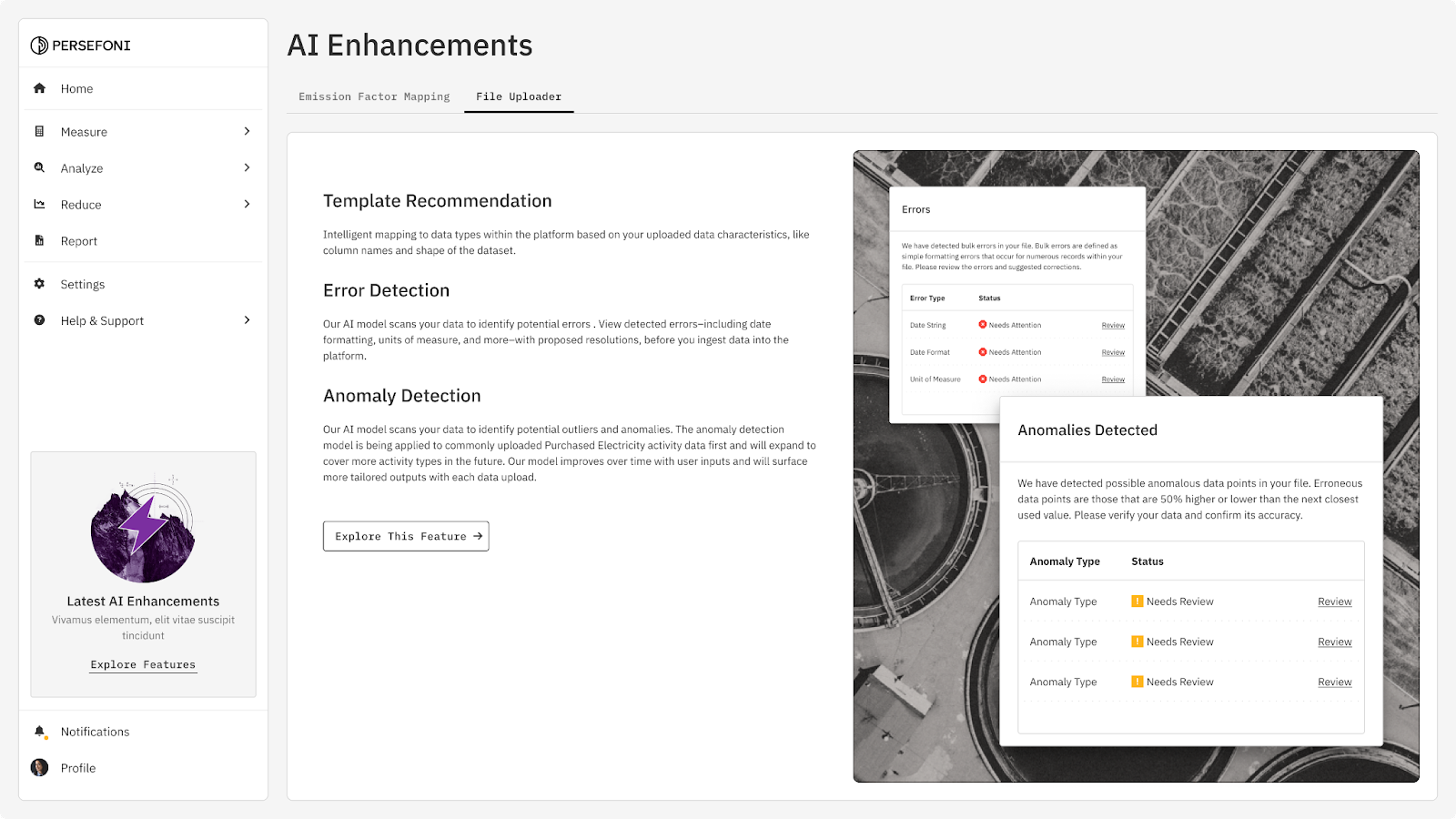
Technological advancements such as artificial intelligence (AI) present opportunities to address data collection challenges and verify scope 3 emissions reporting.
Due to the complexity involving a company’s value chain, scope 3 emissions demand rigorous data tracking and validation methodologies. According to SBTi’s Best Practices in Scope 3 Greenhouse Gas Management, “companies that utilize digital infrastructure to monitor external services will have the opportunity to connect with suppliers to track production activity and transportation in almost real-time.”
Incorporating advanced carbon accounting tools and AI into emissions management systems offers several key benefits:
These technological capabilities help organizations overcome common scope 3 reporting challenges, such as inconsistent supplier data, divergent activity data formats, and the lack of real-time visibility.
According to the CDP 2023 disclosure data factsheet, 41% of 23,000+ disclosers reported at least one scope 3 emissions category. Increasingly more companies will report scope 3, especially with the recent legislative/regulatory climate reporting requirements that include S3.
In addition, companies are applying more pressure on suppliers to share emissions data. For example, companies such as Walmart, Target, and Microsoft have rolled out new requirements for their suppliers regarding scope 3 emissions disclosures. Consequentially, these organizations can rely on Climate Management and Accounting Platforms to incorporate this supplier data and streamline their reporting process.

